

For a quick pulse check, our free rent snapshot can highlight what a Fort Mill single-family rental could realistically earn and where small upgrades may lift returns. Once you see the numbers, the day-to-day side of ownership becomes the next question, because the property type you choose shapes how often you’re pulled into tenant issues, repairs, and pricing decisions.
Across the broader market, detached housing continues to show strong demand. The National Association of REALTORS® reported the national median existing single-family home price reached $426,800 in the third quarter of 2025, a useful signal that buyers and renters still value space, privacy, and neighborhood living. In Fort Mill, that preference often translates into stable residential leasing demand and a smoother ownership experience, especially when you’re aiming for predictable operations.
Below, we’ll break down why single-family rentals tend to be easier to run, easier to position in the market, and easier to scale, with a Fort Mill lens throughout.
Key Takeaways
- Single-family homes reduce conflict and support calmer day-to-day operations for residential owners.
- Fort Mill renters often renew longer when a home fits changing work and family needs.
- Fewer shared systems make maintenance planning more predictable and less disruptive.
- Pricing is simpler because homes don’t compete against identical units in the same building.
- Clear processes and professional oversight help protect cash flow and owner time.
Less Shared Space, Fewer Daily Fire Drills
Single-family rentals usually bring an immediate operational benefit: fewer shared spaces means fewer shared problems. In an apartment-style setup, common hallways, stacked units, and shared amenities invite extra touchpoints, and every touchpoint can become a complaint, a repair request, or a conflict to manage.
In a Fort Mill single-family home, one household controls its own living environment. That reduces the “ripple effect” that can happen in higher-density properties, where one problem escalates into multiple requests or neighbor disputes. You end up spending less time playing referee and more time focusing on performance.
Another practical win is access. It’s typically easier to schedule vendor visits, inspections, and improvements when you’re coordinating with one tenant rather than multiple units that share entry points, systems, or parking constraints.
Outdoor Space That Drives Renewals in Fort Mill
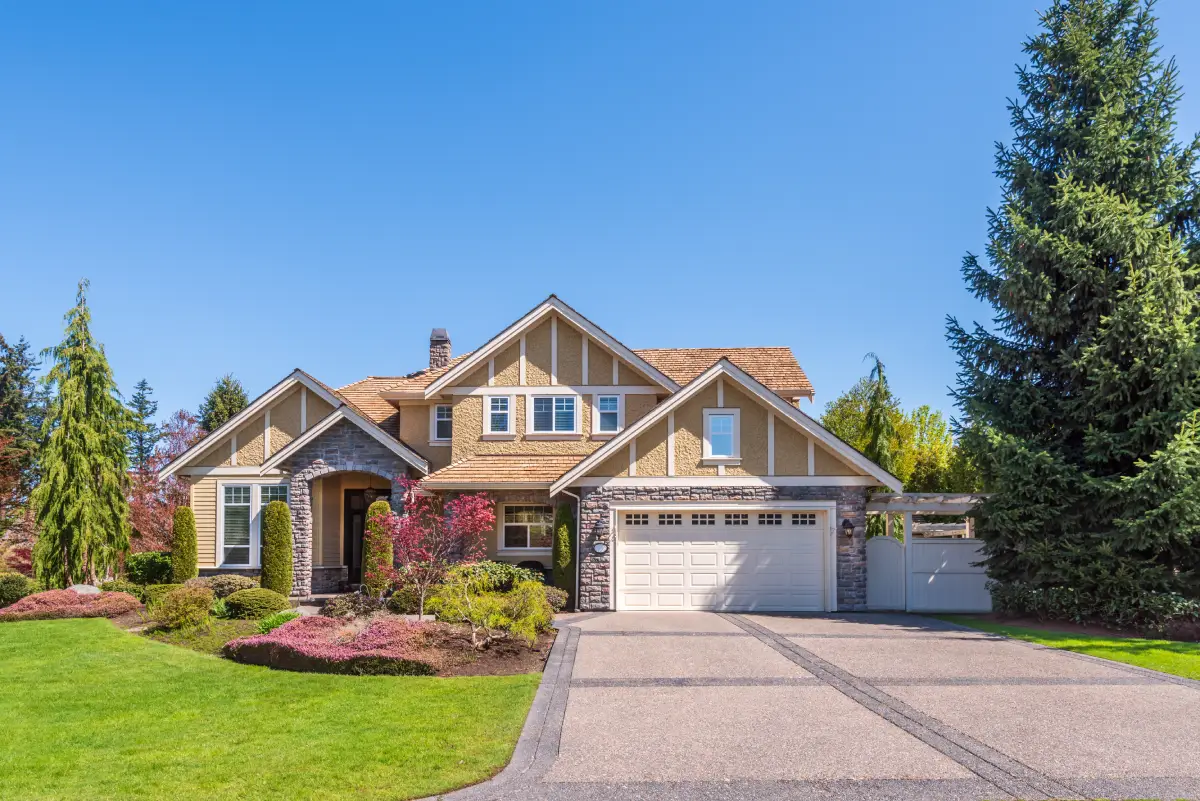
In a suburban market like Fort Mill, private outdoor areas can do a lot of heavy lifting. Yards, patios, and driveways aren’t just “nice to have” features, they often influence how long a tenant stays and how they feel about the rental.
A tenant who can host a weekend cookout, let a dog out without a long walk, or enjoy a quiet evening on a porch tends to treat the home as a long-term base. That mindset supports renewal conversations and helps reduce turnover costs.
Outdoor features also help a listing stand apart without needing gimmicks. A well-kept yard, clean exterior, and functional outdoor lighting can create a strong first impression that attracts qualified applicants quickly.
If you’re weighing whether to keep a home as a rental or list it for sale, running the numbers through our rent-vs-sell math can clarify which path best fits your timeline and goals.
Floor Plans That Fit Real Life, Not Just a Lease Term
Single-family homes tend to work better for the way people live today. Fort Mill renters often look for space that supports hybrid work, visiting family, hobbies, and day-to-day routines without feeling cramped.
A flexible layout can be the difference between a one-year tenant and a multi-year tenant. Think of features like:
- A bonus room that becomes a home office or playroom
- Separate living and dining areas that reduce friction in shared households
- Extra storage that makes day-to-day life feel easier
When a home adapts to a tenant’s evolving needs, the tenant has fewer reasons to move. That stability protects occupancy, reduces marketing costs, and keeps your income stream steadier across the year.
Pricing Power Without “Unit-to-Unit” Competition
Multifamily properties often have built-in pricing pressure because similar units compete with each other. When one unit sits vacant, pricing decisions can affect other units, and concessions can become a recurring tactic.
Single-family homes usually operate differently. They compete within a neighborhood and a school zone, not within the same building. That gives owners more room to position the home based on its unique strengths, such as lot size, upgrades, parking, and curb appeal.
On the national level, Zillow has noted single-family rents are 20% higher than multifamily rents, reinforcing that renters often pay a premium for privacy and space. While every market is local, that pattern aligns with what many owners see in suburban demand pockets like Fort Mill, where detached homes can command stronger pricing when managed and maintained well.
If you want to sanity-check income potential before setting rent, our ROI checkup tool can help you map rent assumptions against expenses and target returns.
Maintenance Planning That Stays Contained
Every property will need maintenance, the difference is how far the impact spreads. In a single-family home, most issues stay contained to one household, one system, and one timeline. That makes it easier to diagnose problems, budget for them, and schedule repairs without juggling multiple residents.
Here are a few ways single-family maintenance often stays more predictable:
- Repairs typically affect one tenant, which reduces disruption and complaint volume
- Vendors can access systems without coordinating entry across several units
- Preventive upkeep is simpler to track, since the property’s systems aren’t shared
Predictability matters for cash flow. It also matters for tenant satisfaction, because quicker resolutions and clearer communication tend to build trust and renewal interest.
For owners who want cleaner visibility into income and expenses, we support better reporting through our clear monthly books, so you can see where your money is going and plan next steps with confidence.
Risk and Insurance That’s Easier to Evaluate
Risk management tends to be more straightforward with single-family rentals because liabilities are less tangled. With fewer shared spaces and fewer shared systems, coverage questions usually have clearer answers.
That simplicity helps owners avoid blind spots. You still need the right coverage, and you still need thoughtful policies around maintenance, tenant responsibility, and documentation. The difference is that you’re usually managing one set of risks tied to one household, rather than layered risks across multiple units.
At PMI Fort Mill, we help you stay organized with documentation, consistent processes, and practical guidance that supports long-term stability. When owners want additional reassurance, our owner protection plan adds another layer of confidence around performance and service.
Scaling a Residential Portfolio, One Smart Step at a Time
Single-family homes can be a practical way to grow without feeling overextended. Many owners prefer adding one home at a time, refining systems, and building a rhythm before expanding further.
This style of growth fits Fort Mill well because neighborhood-by-neighborhood differences matter. A home’s proximity to commuter routes, shopping, schools, and everyday conveniences can influence demand and pricing. By expanding gradually, you can stay selective and avoid rushing into a property that creates extra management strain.
A steady approach also makes it easier to standardize leasing, maintenance routines, and financial reporting. Over time, those systems can become the real engine behind portfolio performance.
FAQs about Single Family Homes in Fort Mill, SC
Do single-family rentals attract longer-term tenants in Fort Mill?
Yes, many renters stay longer when the home supports daily routines, privacy, and flexible space. Longer tenancies often come from families and professionals who prefer neighborhood living and want consistency without frequent moves.
How do single-family maintenance issues compare to apartment-style rentals?
Single-family repairs typically stay contained to one household and one set of systems. That containment often makes scheduling easier and reduces disruption, since you aren’t coordinating across multiple units or dealing with shared infrastructure impacts.
Is pricing a single-family rental easier than pricing an apartment unit?
It often is, because the home competes more on neighborhood, condition, and features than on identical units nearby. Owners can position rent strategically without worrying about internal competition from similar units in the same building.
What features matter most to renters looking for single-family homes?
Renters commonly prioritize practical layout, storage, private outdoor space, and parking. In Fort Mill, features that support work-from-home needs and comfortable everyday living can also influence applicant quality and renewal likelihood.
How can owners reduce vacancy risk with single-family homes in Fort Mill?
Vacancy risk drops when rent is set accurately, marketing is strong, and the home is kept in renter-ready condition. Professional screening, responsive maintenance, and clear lease expectations also help keep good tenants in place.
Put Your Fort Mill Rental on Cruise Control
Single-family rentals often deliver what residential owners want most: fewer daily interruptions, steadier demand, and clearer decision-making. With the right pricing, maintenance planning, and tenant experience, a Fort Mill home can run smoothly while supporting long-term income goals.
At PMI Fort Mill, we’re built for residential management, and we focus on systems that protect your time and your returns. Start your owner plan today page, and let’s turn your single-family rental into a cleaner, calmer operation that performs year after year.